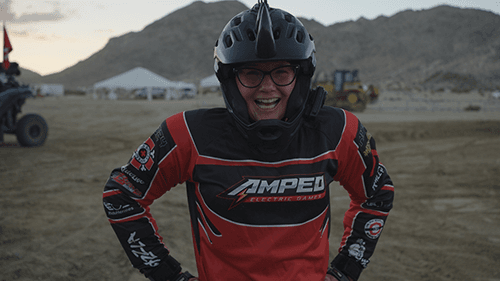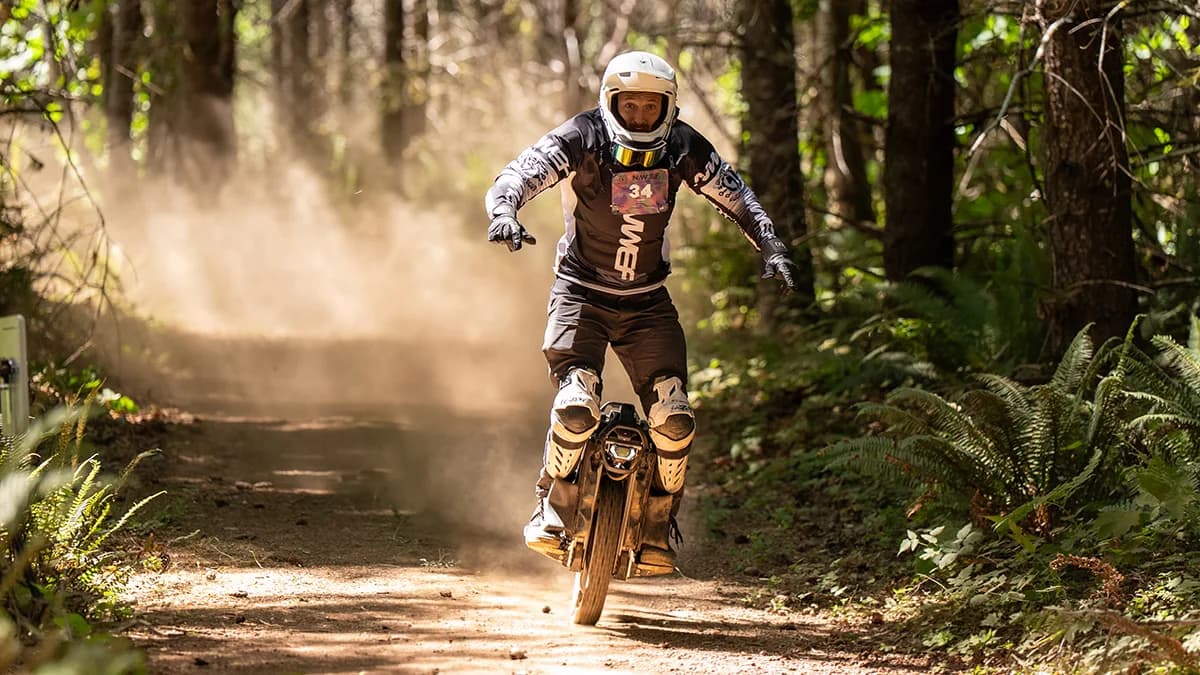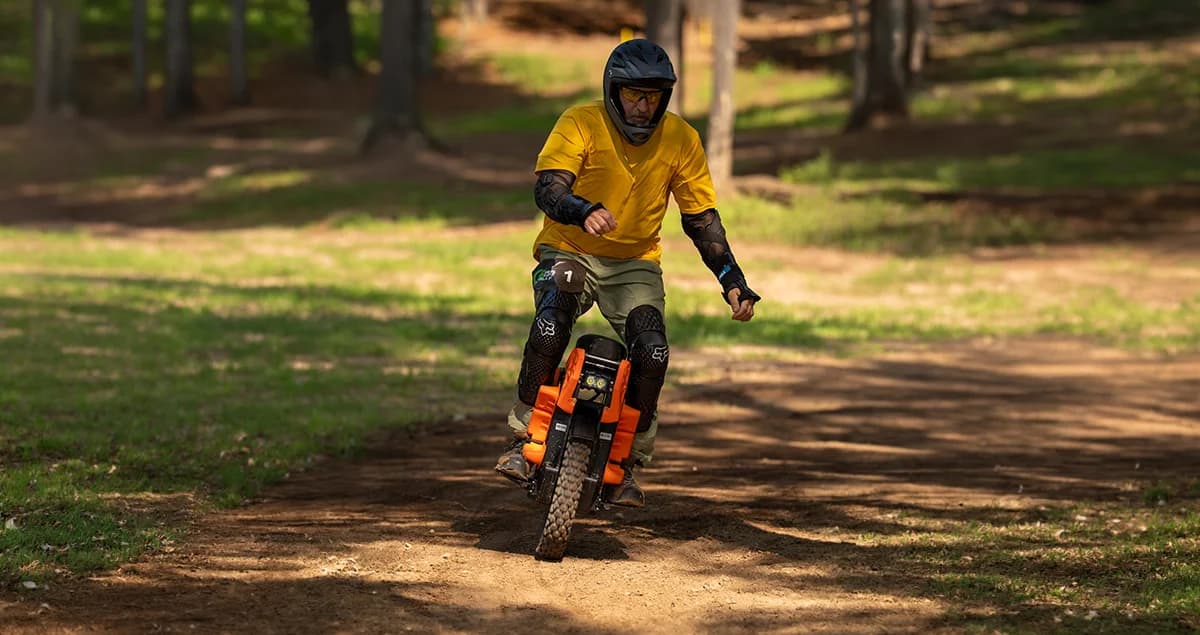
At fifteen years old, Gage Friend made the transition from recreational riding to sanctioned competition, lining up for his first official races under USA EUC at King of the Hammers in Johnson Valley, California. What began several years earlier as a family experiment with a new piece of technology has now developed into a measurable competitive path with standings, categories, and national visibility.
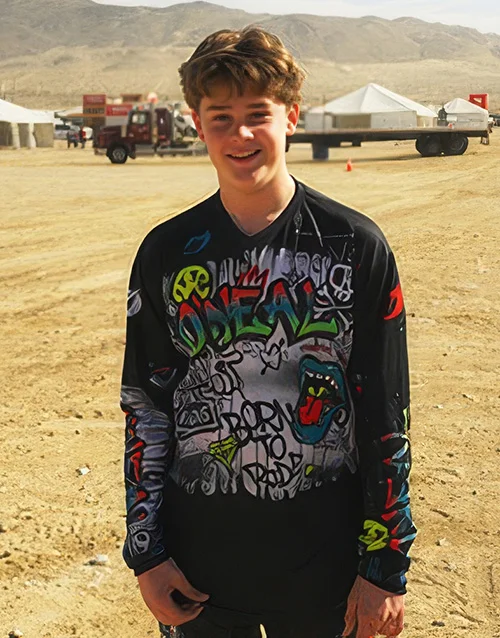
For youth riders entering the sport, Gage’s debut represents more than a first race weekend. It illustrates how structured competition, standardized formats, and a transparent points system provide a clear route from beginner to recognized racer.
Early Development and Learning Curve
Gage’s introduction to electric unicycles began three to four years ago when his father brought one home during the holidays. Initial attempts to learn took place in parking lots, where balance and control proved difficult. Like many new riders, he stepped away after early frustration. Months later, he returned to the wheel with a different mindset and chose to practice on grass, a surface that demands constant correction and commitment.
That decision accelerated his learning. Grass provides resistance and instability, which forces riders to develop fine motor control and posture awareness quickly. Once the fundamentals were established, progression followed naturally. Casual practice turned into regular riding, and regular riding turned into technical exploration.
Equipment Progression
Gage’s early hardware reflected a common pathway among youth riders. His first primary wheel was an InMotion V8F, a compact and widely used beginner platform. As his comfort increased, he transitioned to the InMotion V14, which offered greater stability and performance headroom. Eventually, he adopted the Lynx as his dedicated race wheel.
This step-by-step equipment progression mirrors the developmental arc encouraged within sanctioned competition. Riders are not required to begin with high-end hardware. Instead, consistency and skill development tend to guide upgrades over time.
First Sanctioned Competitive Weekend
Gage’s debut weekend included two distinct race formats that reflect the diversity within USA EUC competition.
Enduro Format
The Enduro race emphasized navigation, endurance, and terrain management. Riders launched into open desert sections with deep sand, elevation changes, and minimal visual guidance. Success required pacing, awareness, and confidence in uncertain conditions.
Track Format
The track race emphasized speed control, cornering precision, and jump management. Constructed with controlled sand and motocross-inspired features, the course rewarded rhythm and technical discipline. For Gage, the contained nature of the track format aligned closely with his developing strengths and became his preferred discipline.
Exposure to both formats within a single event demonstrates the breadth of skill sets that sanctioned racing evaluates. Endurance, technical handling, and situational awareness are all tested rather than isolated.
Teen Division Standing and Milestone Result
During his first sanctioned appearance, Gage secured a Teen Overall category win, marking his entry into official standings and establishing a measurable benchmark for future participation. While early in his competitive timeline, the result carries significance for two reasons.
First, it confirms eligibility and placement within the national classification structure. Second, it provides a baseline from which future results can be compared. Within a standardized points system, early finishes are less about permanence and more about documentation. They create a starting line that did not previously exist.
For youth competitors, this distinction matters. A recorded result transforms practice into participation and participation into progression.
Influence Beyond the Track
Competitive development often extends beyond personal performance. In Gage’s case, peer influence has already become visible. Friends who initially viewed the wheel with curiosity began asking to try it. One friend later obtained his own wheel and now rides alongside him. This pattern reflects a common growth mechanism within emerging motorsports, where visibility and accessibility introduce new participants organically.
Family involvement has also been central. Parental encouragement paired with clear safety expectations created an environment where improvement could occur responsibly. Protective gear, preparation, and incremental challenges formed the foundation that allowed competitive exploration without unnecessary risk.
Snapshot Profile
Name: Gage Friend
Age: 15
Hometown: Lake Elsinore, California
Division: Teen
Race Wheel: Lynx
Secondary Wheel: InMotion V14
First Sanctioned Event: King of the Hammers
Preferred Discipline: Track racing
Why Structured Competition Matters
Gage’s trajectory highlights the importance of a governing framework in youth participation. Without categories, standings, and predictable schedules, progression can feel abstract. With them, improvement becomes measurable. Riders know where they stand, what events are upcoming, and how results translate into rankings.
Sanctioned competition does not remove the learning curve. Instead, it organizes it. By providing consistent formats and transparent scoring, organizations such as USA EUC allow riders to focus on skill development while maintaining clarity around eligibility and advancement.
Looking Forward
For Gage, the debut weekend serves as both an accomplishment and a reference point. Future participation will build on documented results rather than anecdotal experience. As additional events are completed, standings evolve from single entries into seasonal narratives.
Youth racers entering sanctioned competition today are not simply participating in isolated events. They are contributing to a developing competitive record that can be tracked year over year. For riders at the beginning of their journey, that continuity is often the most motivating element of all.
Getting Involved
USA EUC organizes sanctioned electric unicycle racing events with standardized formats, official standings, and youth divisions designed to encourage responsible competitive entry. Riders and families interested in participating can review schedules, rules, and registration details at usaeuc.com.
Structured competition provides clarity. Participation provides experience. Together, they form the pathway that riders like Gage are now traveling from first ride to national standings.